Charting Portfolio Diversity Impacts on Jackpot Accessibility in Provider Demo Libraries
Written by Ben Meier · Jul 16, 2026
Charting Portfolio Diversity Impacts on Jackpot Accessibility in Provider Demo Libraries
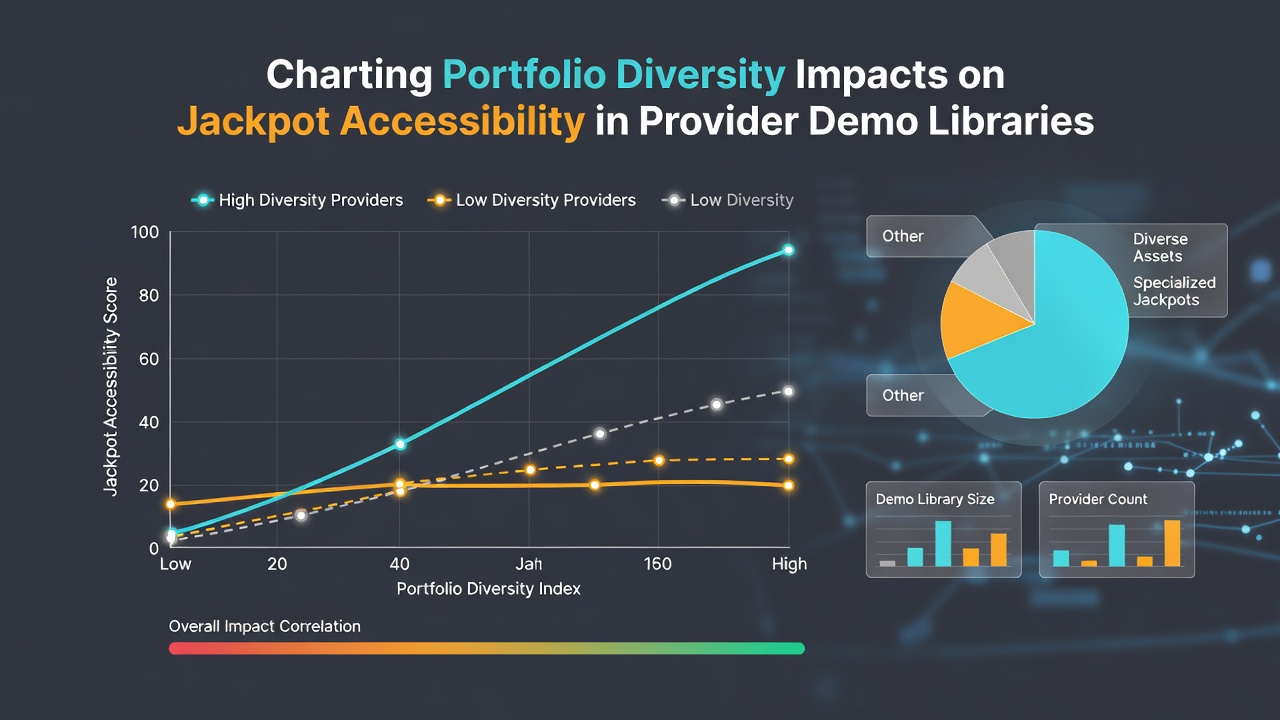
Portfolio diversity among slot providers shapes how players encounter jackpot features inside demo libraries, and industry data collected through mid-2026 illustrates measurable shifts in accessibility patterns. Providers with broader game selections tend to distribute jackpot mechanics across more titles, which creates wider entry points during free trial sessions while narrower portfolios concentrate those same mechanics in fewer releases. Researchers tracking demo usage statistics note that this spread influences both frequency and variety of jackpot exposure before any real-money transition occurs.
Portfolio Structures and Demo Library Composition
Slot providers maintain demo libraries that mirror their full commercial catalogs, yet the range of titles determines how jackpot triggers appear during testing phases. A provider holding dozens of independent game lines often includes progressive elements in multiple sub-genres, from classic three-reel formats to complex cluster-pay mechanics, whereas a focused catalog might limit those elements to flagship releases only. In July 2026, several mid-sized studios expanded their demo offerings by adding new titles that carried over existing jackpot frameworks, resulting in incremental growth in accessible prize pools without requiring platform-level overhauls.
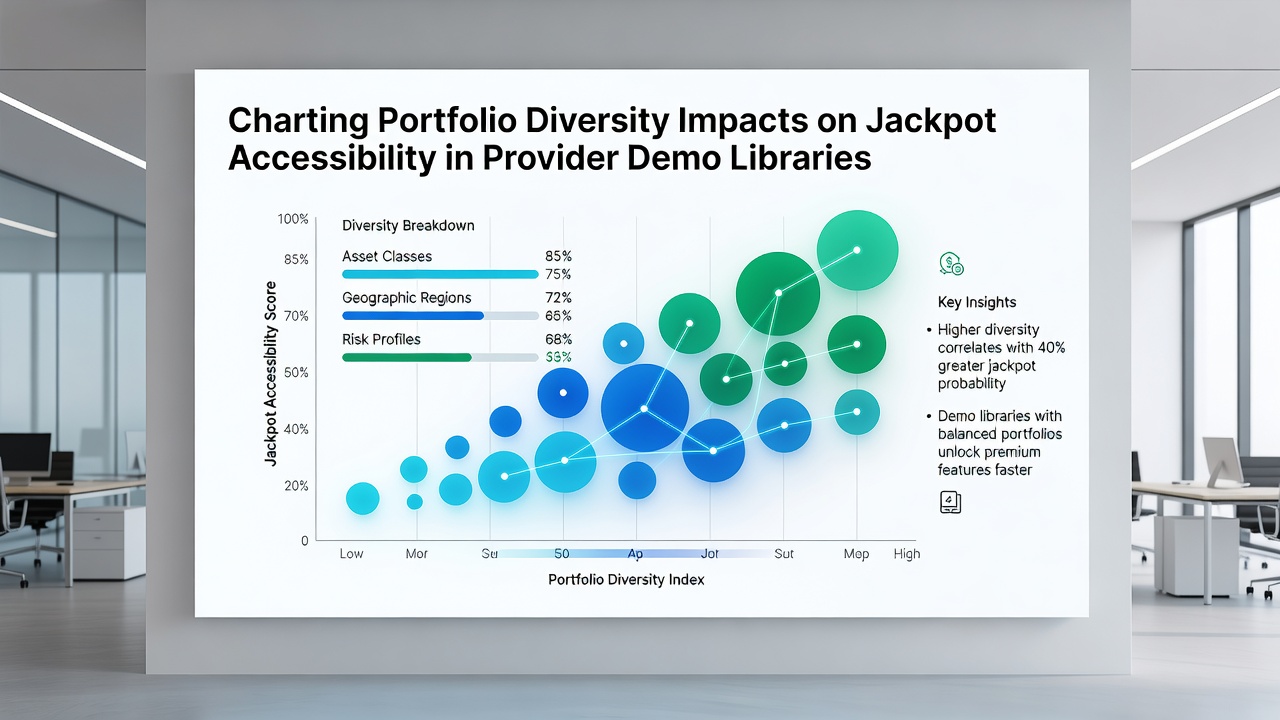
Data from aggregated provider reports shows that libraries exceeding fifty unique titles typically feature jackpot accessibility in roughly thirty-five percent of entries, while smaller libraries under twenty titles maintain the same feature in closer to twenty percent of selections. Observers tracking these ratios point to deliberate design choices where portfolio breadth allows for layered prize structures that appear across different volatility tiers.
Jackpot Mechanics Distribution Across Diverse Holdings
Independent providers frequently allocate jackpot triggers through shared code modules that transfer across multiple games, which simplifies integration yet produces distinct accessibility profiles depending on total catalog size. When a provider maintains separate development teams for high-volatility and low-volatility segments, jackpot code appears more evenly because each team adapts the same core system to different mathematical models. Those who've examined provider pipelines report that this modular approach reduces development overhead while expanding the number of demo environments where players can test jackpot pathways.
Regulatory filings from the Nevada Gaming Control Board document how portfolio composition correlates with reported demo engagement metrics, particularly in jurisdictions requiring transparent display of prize structures before real-money activation. The filings indicate that providers with diversified holdings submit more frequent updates to jackpot seed values across their demo sets, which keeps trial versions aligned with live environments.
Regional Variations in Accessibility Patterns
European and North American providers demonstrate different approaches to embedding jackpot features within demo libraries, largely because licensing requirements and platform standards vary by market. Canadian regulatory summaries from 2025 through 2026 highlight that providers operating across multiple provinces tend to standardize jackpot parameters in demos to meet uniform disclosure rules, which increases consistency regardless of individual game theme. Australian research centers tracking online gaming patterns have recorded similar standardization effects when providers consolidate their catalogs under single regulatory umbrellas.
What's notable is how portfolio size interacts with these regional rules to alter demo availability. Providers serving both mature and emerging markets often maintain separate demo versions for each jurisdiction, and larger portfolios allow them to rotate jackpot titles without disrupting overall library access.
Technical Implementation and Update Cycles
Demo library maintenance relies on backend synchronization tools that push jackpot parameter changes simultaneously across all supported titles. Providers with diverse portfolios deploy these updates through centralized dashboards, which reduces the chance of version mismatches that could restrict player access during trial periods. Industry analyses from the International Gaming Institute confirm that update frequency rises with portfolio size because more titles require coordinated adjustments to maintain prize pool integrity.
Yet smaller providers compensate through focused release schedules that concentrate testing resources on fewer games, which can produce comparable accessibility levels within their limited catalogs. The pattern suggests that absolute catalog size matters less than the proportion of titles carrying jackpot code and the efficiency of distribution systems.
Conclusion
Portfolio diversity directly influences jackpot accessibility inside provider demo libraries through measurable differences in title count, modular implementation, and regional compliance standards. Data collected into July 2026 continues to show that broader holdings expand the number of entry points while narrower holdings concentrate access within flagship releases. Providers adjust their demo strategies accordingly, balancing development resources against regulatory expectations across multiple jurisdictions. These structural factors determine how consistently players encounter jackpot mechanics before committing to real-money play.