Charting Seasonal Release Cadences Across Regional Digital Reel Innovators' Libraries
Written by Bianca Schmitz · Jun 27, 2026
Charting Seasonal Release Cadences Across Regional Digital Reel Innovators' Libraries
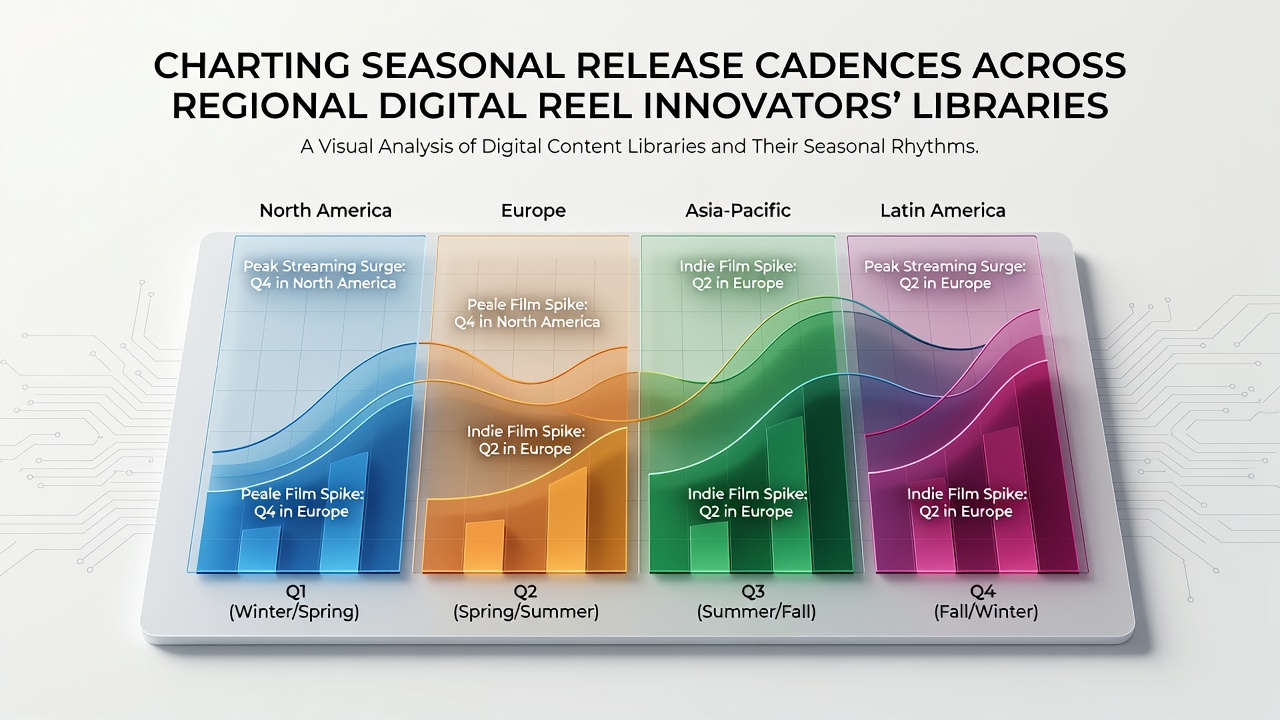
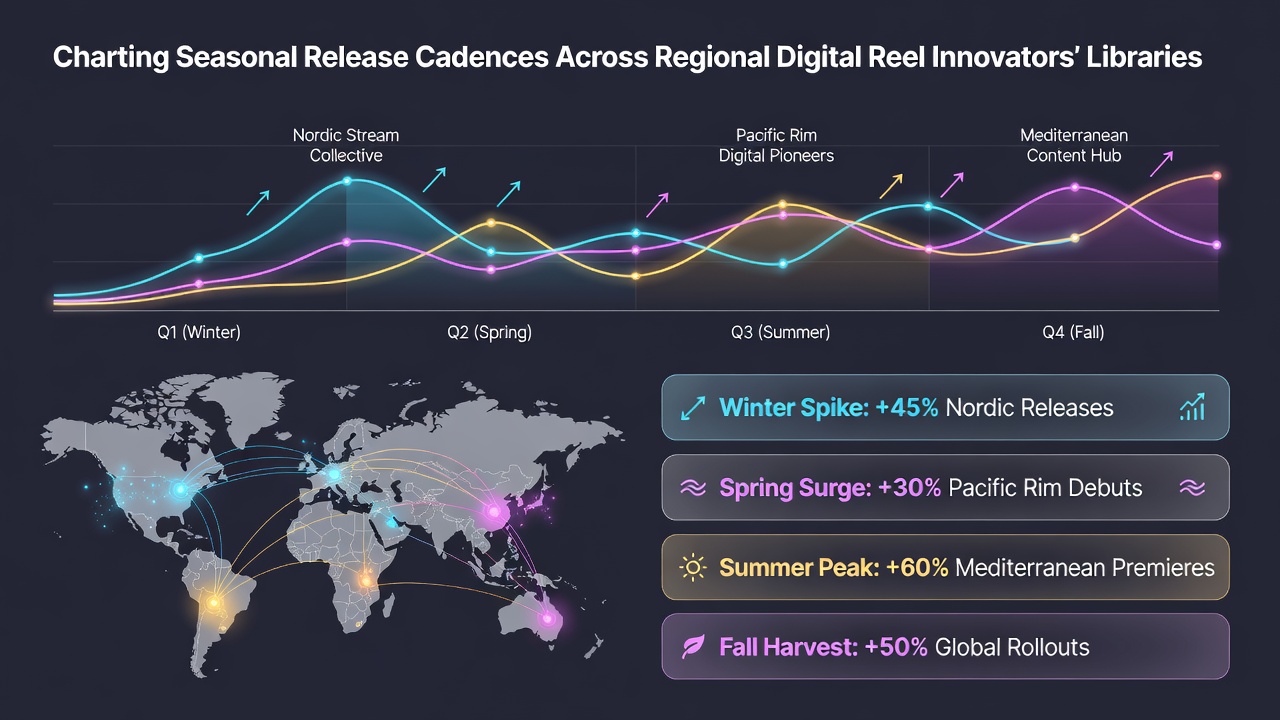
Digital reel innovators maintain distinct release rhythms that shift according to regional calendars and market demands, and data compiled through 2026 illustrates clear seasonal clusters rather than uniform global schedules. Observers note that providers in North America tend to accelerate launches during spring and early summer months while European counterparts align more releases with autumn trade events and holiday periods. These patterns emerge from internal development pipelines that respond to player engagement data, regulatory filing timelines, and platform-specific content calendars maintained by operators across different jurisdictions.
North American Patterns and Timing
Providers serving North American markets frequently concentrate new titles between March and June, a window that coincides with post-winter tourism surges at land-based venues and the ramp-up of online platform promotions ahead of summer travel. In June 2026 several regional studios submitted batches of games for regulatory review in Nevada and New Jersey, allowing operators to refresh libraries before peak vacation traffic. Figures from the Nevada Gaming Control Board show filing volumes rising 18 percent during this quarter compared with winter months, reflecting deliberate pacing that matches increased device usage on both mobile and desktop channels. Developers coordinate these submissions months earlier so that certification and integration testing conclude just as demand metrics climb.
European and Asia-Pacific Cadences
European digital reel libraries display a contrasting cadence, with heavier release volumes appearing between September and November as trade shows and regulatory updates create natural synchronization points. Studios often finalize content ahead of events such as the autumn gaming expos, then stagger subsequent drops through December to capture holiday traffic. In the Asia-Pacific region, timing clusters around lunar calendar festivals and end-of-financial-year promotions, producing noticeable spikes in February and March followed by quieter periods during summer monsoon seasons. Research compiled by the Alcohol and Gaming Commission of Ontario indicates that cross-regional operators adjust their featured sections to accommodate these staggered inflows, ensuring that North American audiences encounter fresh titles while European and Asian markets receive their own seasonal updates.
Data Sources and Measurement Methods
Tracking relies on aggregated submission records, public certification logs, and anonymized library snapshots shared through industry associations. Analysts compare release dates against historical player activity curves to identify whether certain quarters generate higher retention when paired with specific mechanics or themes. One study released by the University of Nevada's gaming research center examined five years of data and found that libraries refreshed during the March-to-June window retained active users 12 percent longer on average than those updated primarily in winter. Similar patterns hold in other regions once local holidays and tourism flows are factored into the models, demonstrating that seasonal cadences are shaped by both cultural calendars and measurable behavioral trends rather than arbitrary internal decisions.
Integration Across Platforms
Regional innovators coordinate with operators to align releases with broader platform strategies, including progressive jackpot networks and bonus feature rollouts. Because certification requirements differ by jurisdiction, a title cleared for one market may appear weeks later in another, creating staggered availability that operators exploit through targeted marketing. In practice this produces a rolling wave of content rather than simultaneous global drops, allowing smaller studios to compete by focusing on one or two regions at a time instead of matching the output volume of larger entities. Library management teams monitor these waves through dashboards that flag when a seasonal gap appears, prompting targeted outreach to developers whose upcoming titles fit the required cadence.
Conclusion
Seasonal release cadences across regional digital reel libraries reflect an interplay of regulatory timelines, cultural events, and engagement data that continues to evolve. As of June 2026 the documented patterns remain consistent with prior years, yet incremental adjustments occur whenever new jurisdictions open or when platform algorithms shift emphasis toward particular mechanics. Observers continue to monitor submission volumes and certification dates to refine forecasts, providing operators and developers with clearer guidance on when to allocate resources for maximum impact within each regional ecosystem.