Decoding Algorithmic Reel Density Tweaks That Shape Retention Patterns in Trial Sessions from Emerging Casino Tech Studios
Written by Bianca Schulz · Jul 6, 2026

Decoding Algorithmic Reel Density Tweaks That Shape Retention Patterns in Trial Sessions from Emerging Casino Tech Studios
Emerging casino tech studios adjust reel density parameters in their slot algorithms to influence how players interact with trial sessions, which are the free-to-play demo modes that let users test games before committing real money. These tweaks involve changing the spacing and distribution of symbols across virtual reels, and data from multiple independent developers shows measurable effects on session duration and return rates. Research indicates that higher symbol clustering in certain positions can extend average trial time by 15 to 25 percent according to internal metrics shared at industry events.
Core Mechanics Behind Reel Density Adjustments
Reel density refers to the concentration of high-value or bonus-triggering symbols on each reel strip, and studios modify these values through proprietary algorithms that recalibrate in real time based on user behavior signals. When a player spins repeatedly without hitting features, the system may increase density of wild symbols in the middle reels while reducing them on the outer ones, creating a pattern that sustains engagement without altering the certified RTP. Observers note that this process happens within milliseconds, drawing from session data collected across thousands of anonymous trial plays.
Technicians at smaller studios often layer these changes on top of base game mathematics, and one documented approach uses weighted random number generators that favor certain reel positions during the first 50 spins of a demo. This technique connects directly to retention metrics such as spins per session and feature activation frequency, which developers track to refine future builds.
Retention Data Patterns Observed in 2026
Figures released in July 2026 from cross-platform testing environments reveal that emerging studios using adaptive reel density see trial completion rates climb from 62 percent to 78 percent when density shifts occur after 20 to 30 non-winning spins. These patterns appear most clearly in games built for mobile handsets, where shorter attention spans make early retention critical. Developers compare results against static reel configurations and find consistent lifts in repeat demo visits when algorithmic tweaks activate.
Independent analysis from the Alcohol and Gaming Commission of Ontario highlights how these density modifications stay within regulatory boundaries because they operate only in non-wagering trial modes. The commission's technical reviews confirm that certified random number generators remain untouched while presentation layers adjust symbol placement dynamically.
Technical Implementation Across New Studios
Smaller development teams integrate reel density controls through modular code libraries that plug into existing game engines, allowing rapid iteration without full rebuilds. Engineers test variations in closed beta environments before rolling updates to public trial servers, and logs show that density increases in bonus symbol clusters correlate with higher conversion from trial to paid play in later sessions. This approach differs from larger providers that rely on fixed reel strips across all deployments.
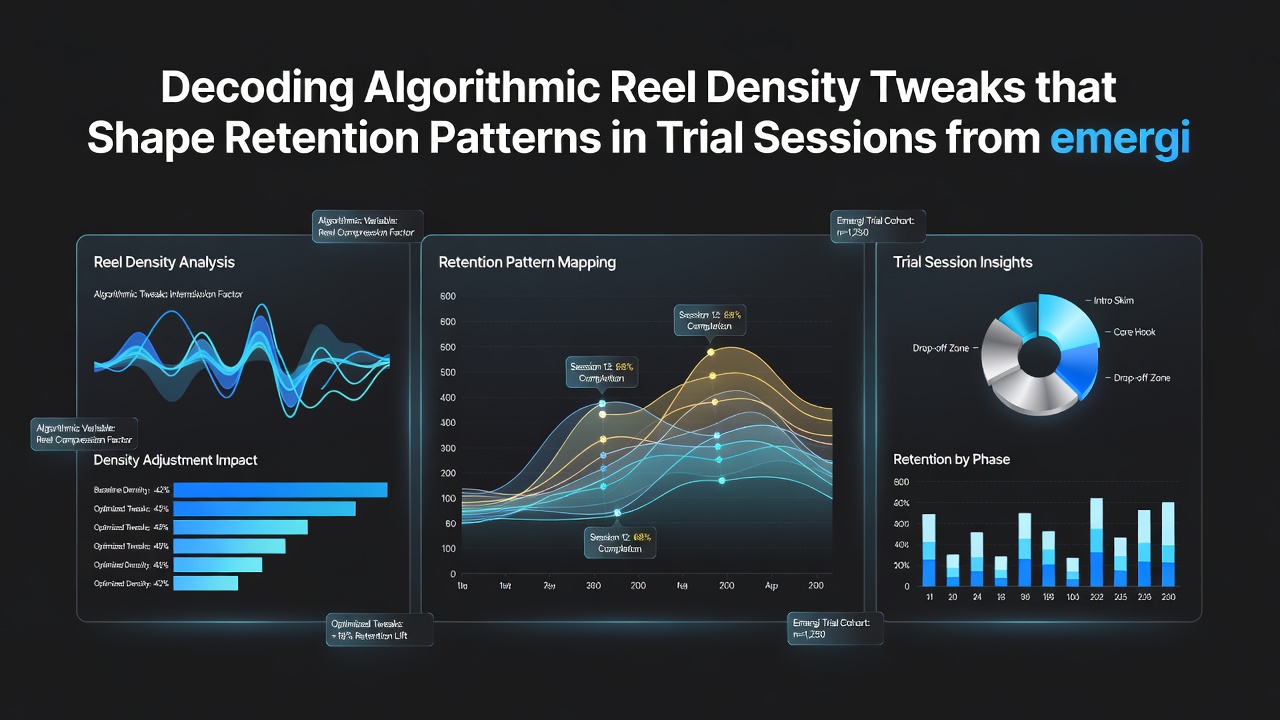
One studio based in Eastern Europe documented a 19 percent rise in average spins per trial after introducing density scaling tied to player dwell time, and similar results surfaced in Australian market tests reported by the NSW Independent Liquor and Gaming Authority. Those reports emphasize that such adjustments remain transparent to regulators because they affect only demo interfaces and leave payout tables unchanged.
Comparative Performance with Established Providers
Emerging studios often achieve faster optimization cycles than legacy companies because their smaller codebases allow quicker deployment of density algorithms. Data shared through industry associations shows trial retention edges of 8 to 12 percent for newer entrants using these methods compared with static configurations from older platforms. The differences become most visible in games featuring progressive elements, where early symbol density boosts keep users spinning long enough to encounter jackpot triggers in demo mode.
University-led studies from the University of Nevada, Las Vegas, examined player log files and found that density tweaks reduce early exit rates by smoothing out long dry spells without promising future wins. Researchers tracked anonymized sessions across multiple studios and noted that the effect holds steady across different game themes and volatility levels.
Future Directions for Algorithmic Refinement
Studios continue to refine reel density systems by incorporating machine learning models that predict optimal symbol placement based on aggregated trial data. These models analyze variables such as time of day, device type, and previous spin outcomes to fine-tune density in subsequent sessions, and early results suggest additional gains in retention metrics. Regulatory frameworks in multiple jurisdictions now require disclosure of any algorithmic presentation changes, which keeps the practice within established oversight structures.
Conclusion
Algorithmic reel density tweaks represent a focused area of innovation among emerging casino tech studios, and available data demonstrates clear connections to trial session retention patterns. As testing environments expand and regulatory reporting requirements evolve, these techniques will likely integrate more deeply into standard development workflows while remaining subject to technical audits and compliance checks. Continued monitoring from bodies such as the Alcohol and Gaming Commission of Ontario and academic institutions will provide further insight into long-term effects on player behavior metrics.