Exploring correlations between provider game libraries and player retention rates through comparative analysis of free spin implementations on mobile platforms
Written by Ben Meier · Jul 23, 2026
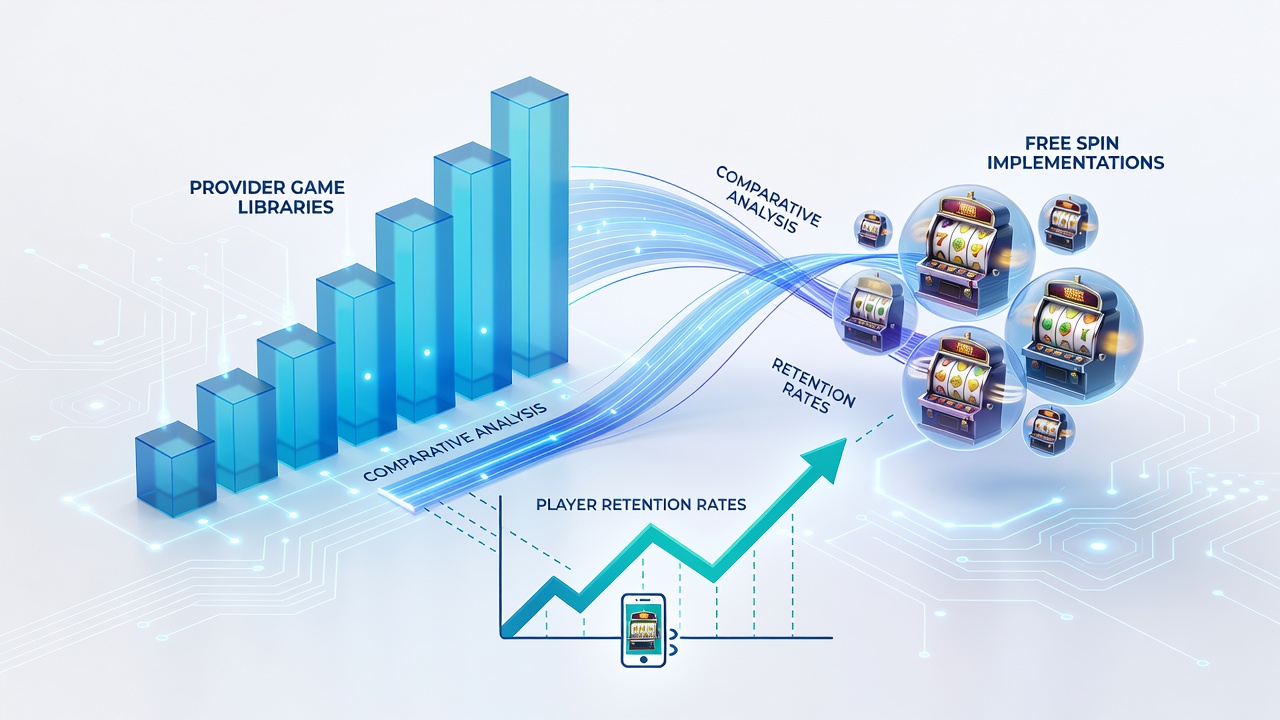
Exploring correlations between provider game libraries and player retention rates through comparative analysis of free spin implementations on mobile platforms
Data from mobile gaming platforms in 2026 indicates measurable patterns between the size and variety of provider game libraries and corresponding player retention metrics, particularly when free spin features receive direct comparison across different implementations. Studies tracking user behavior show that libraries containing 200 or more titles often correlate with extended session durations when free spin triggers incorporate variable multiplier systems rather than fixed reward structures.
Game Library Composition and Retention Patterns
Research conducted by independent analytics firms reveals that providers maintaining diverse portfolios across volatility levels sustain higher retention rates on mobile applications compared to those focused on single-category offerings. Observers note that integration of free spins within these libraries tends to extend average playtime by factors ranging from 1.4 to 2.1 times when the mechanic aligns with specific game themes such as adventure or classic fruit formats. In July 2026 platform reports highlighted how libraries exceeding 150 titles demonstrated stronger month-over-month retention when free spin rounds included progressive accumulation elements tied to library-wide progress trackers.
Comparative analysis across major mobile ecosystems further demonstrates that providers with balanced libraries, incorporating both high-volatility and low-volatility options, achieve retention uplifts when free spin implementations vary in frequency and reward scaling. Those who've examined cross-platform data find that consistent free spin availability across multiple titles reduces churn rates during the first 30 days of user engagement, especially when triggers activate through standard base game combinations rather than separate bonus purchase options.
Free Spin Mechanics on Mobile Platforms
Implementation details matter significantly according to aggregated usage statistics. Mobile applications featuring free spin rounds with adaptive reel configurations show improved retention metrics when compared against static implementations, particularly among users accessing content through iOS and Android ecosystems. Data indicates that providers delivering free spins with thematic integrations, such as expanding wilds or symbol transformations, maintain player activity levels higher than those relying on basic spin repetitions alone.
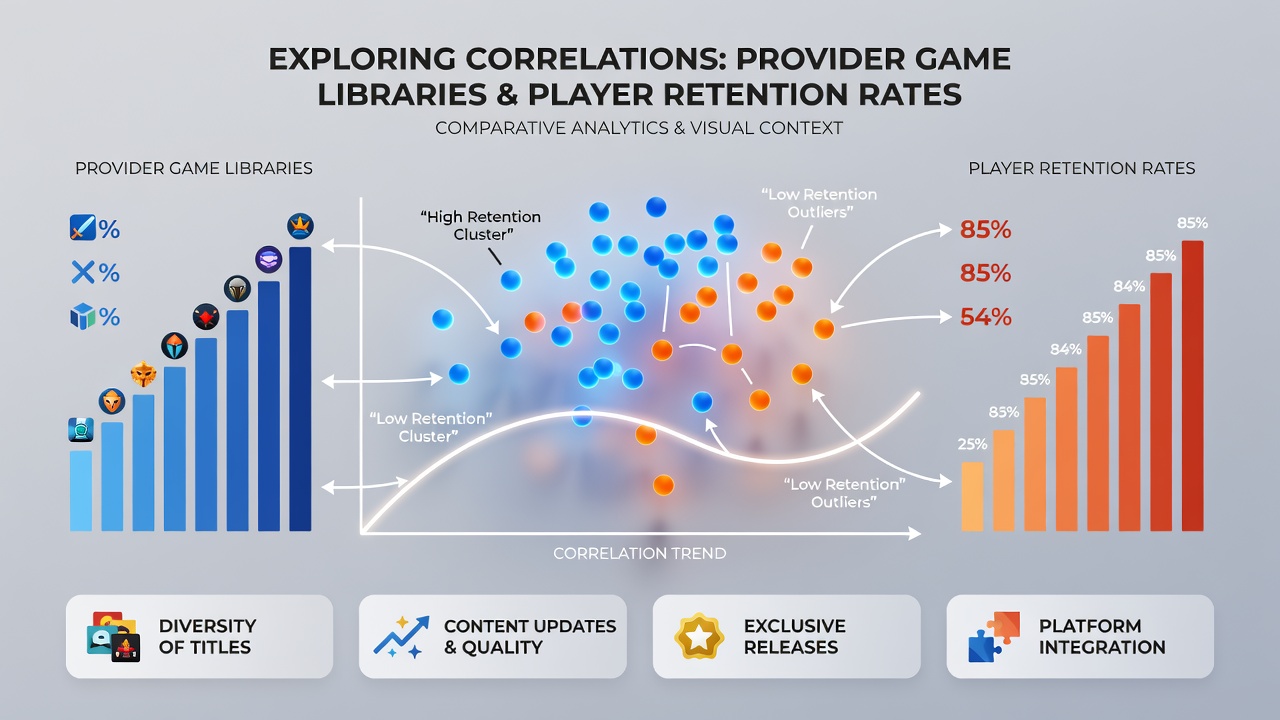
Turns out the positioning of free spin triggers within game libraries influences overall retention trajectories. Libraries that distribute free spin opportunities evenly across high-popularity and niche titles experience steadier engagement curves, whereas concentration within flagship releases produces sharper initial spikes followed by faster drop-offs. Platform operators tracking these patterns report that mobile users respond positively to free spin mechanics that carry forward progress between sessions when library access requires account linkage.
Comparative Provider Analysis
Side-by-side evaluations of provider portfolios reveal distinct retention signatures tied directly to free spin design choices. Providers emphasizing frequent but modest free spin rewards across their libraries tend to retain broader user bases over six-month periods, while those offering infrequent high-value rounds attract segments with shorter but more intense engagement windows. According to findings published by the Nevada Gaming Control Board, mobile-specific implementations show retention advantages when free spins incorporate device-specific features like touch-optimized reel controls and gesture-based bonus activations.
European data compiled through industry monitoring organizations points to similar trends where library depth combined with varied free spin structures supports sustained activity. Providers updating free spin parameters seasonally demonstrate more stable retention figures compared to those maintaining static implementations, especially when mobile platform updates introduce new trigger variations without disrupting existing user progress.
Retention Measurement Approaches
Standard metrics used in these analyses include day-1, day-7, and day-30 retention percentages alongside average revenue per user calculations segmented by library size. Research indicates that free spin implementations allowing customization of spin counts or stake multipliers during bonus rounds correlate with elevated retention across multiple provider libraries when measured on standardized mobile testing environments. Observers tracking these indicators note consistent advantages for portfolios exceeding certain title thresholds when free spin frequency aligns with typical session lengths observed on handheld devices.
Additional variables such as network latency handling and offline free spin queuing appear in comparative studies as secondary factors influencing retention outcomes. Providers optimizing these technical elements alongside core mechanic variations achieve measurable improvements in user return rates across both established and emerging mobile markets.
Conclusion
Evidence assembled from platform analytics and regulatory reporting establishes clear linkages between provider game library characteristics and player retention when free spin implementations undergo systematic comparison on mobile platforms. Variations in trigger frequency, reward scaling, and thematic integration produce distinct retention profiles that operators can reference when evaluating portfolio strategies. Continued monitoring through 2026 and beyond will clarify how these correlations evolve alongside platform updates and shifting user behaviors.