Prize Pool Adaptations in Emerging Digital Gaming Markets from Mid-Sized Tech Developers
Written by Logan Carter · Aug 1, 2026
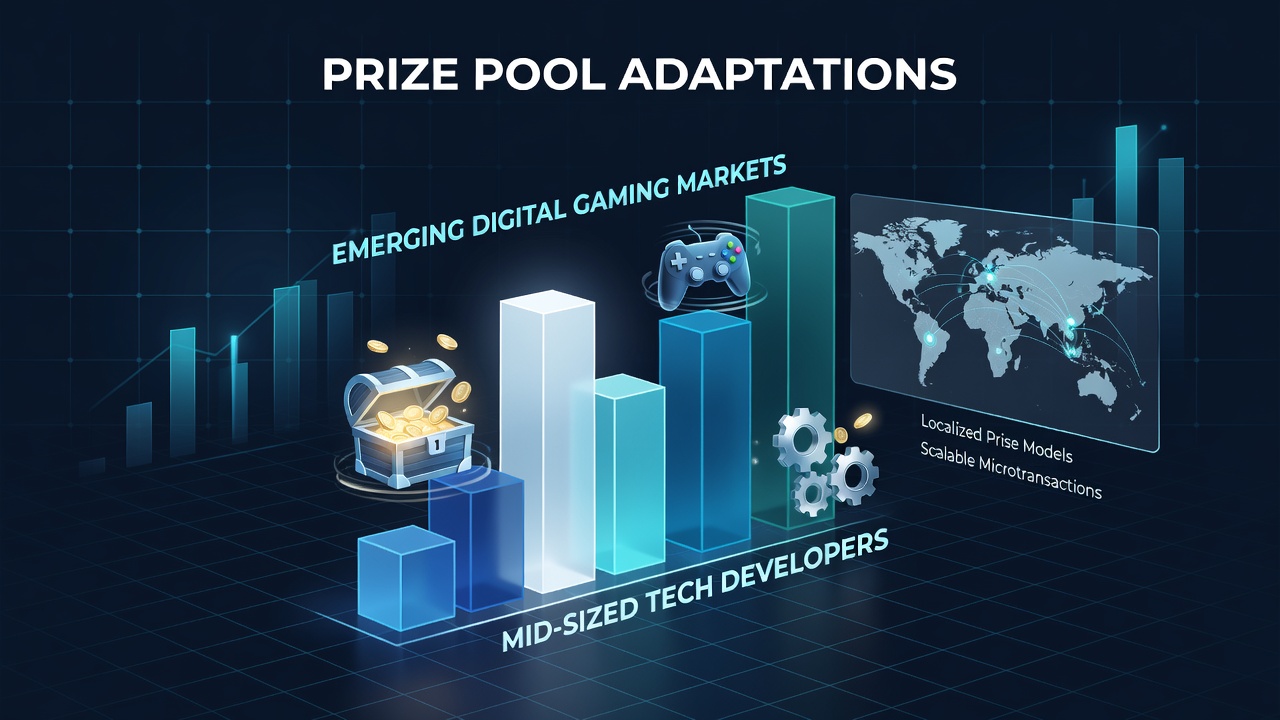
Prize Pool Adaptations in Emerging Digital Gaming Markets from Mid-Sized Tech Developers
Digital gaming markets in regions such as Southeast Asia, Latin America, and parts of Africa continue to expand, and mid-sized technology developers have responded by adjusting prize pool mechanisms to fit local player behaviors along with regulatory frameworks. These companies, typically operating with teams between 50 and 300 staff members, focus on scalable backend systems that allow prize pools to fluctuate based on participation rates, regional currency fluctuations, and real-time engagement data rather than fixed structures used by larger studios.
Market Growth Patterns in 2026
By August 2026, participation metrics from digital platforms in Vietnam, Brazil, and Nigeria indicated steady increases in daily active users for competitive mobile titles and skill-based games that incorporate pooled rewards. Mid-sized developers have integrated adaptive algorithms that redistribute unclaimed portions of prize pools across subsequent events, which maintains liquidity while complying with local tax reporting requirements. One study from the University of Melbourne examined how these adjustments affected retention rates in emerging markets and found correlations between flexible pool sizes and extended session durations.
Developers in these segments often rely on cloud-based infrastructure from providers such as AWS and Google Cloud to handle variable loads during peak tournament periods. This setup enables automatic scaling of prize allocations without the overhead associated with enterprise-level operations, and it supports integration with local payment gateways that handle multiple currencies simultaneously.
Technical Approaches to Prize Distribution
Engineers at mid-sized firms have adopted layered distribution models that separate base entry fees from supplemental contributions derived from in-app purchases or sponsorships. These models use smart contract elements on permissioned blockchain networks to record contributions transparently, which reduces disputes over allocation percentages. Data from platform logs shows that such systems decrease processing times for reward claims by approximately 40 percent compared with traditional centralized databases.
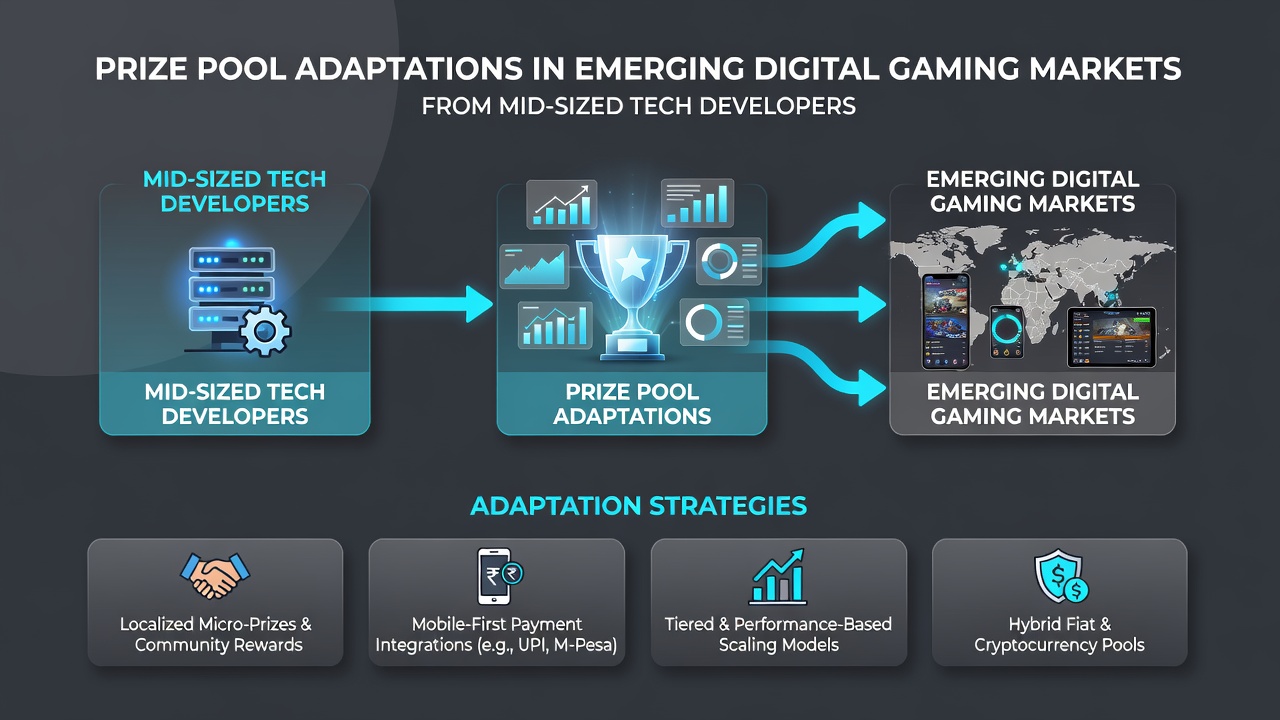
Regional regulations in markets like Mexico and Indonesia require clear disclosure of prize pool percentages before events begin, and developers have responded by embedding real-time dashboards within games that display current totals and projected payouts. These features draw from aggregated anonymized user data rather than individual profiles, which helps maintain compliance with data protection statutes across jurisdictions.
Regional Case Examples
In Brazil, several mid-sized studios partnered with local telecom operators to bundle prize pool contributions with data plans, creating entry pathways that lowered financial barriers for new participants. Participation figures released by the Brazilian Association of Digital Entertainment in mid-2026 reflected higher uptake in secondary cities where broadband access had improved over the previous two years. Similar patterns emerged in Kenya, where developers adjusted pool caps to align with average mobile transaction values processed through M-Pesa.
Another development involves cross-border pooling arrangements that allow players from multiple countries to compete in unified events while prize distributions remain segmented according to each nation's fiscal rules. Mid-sized developers manage these through modular codebases that isolate regulatory logic per jurisdiction, which simplifies updates when laws change.
Challenges and Adjustments
Observers note that fluctuating exchange rates in emerging economies can erode the perceived value of prize pools when converted to local currencies. Developers counter this by incorporating hedging mechanisms tied to stablecoin equivalents during the final distribution phase, although adoption remains limited to markets with clearer cryptocurrency guidelines. Research reports from the Asian Development Bank have highlighted how these technical adaptations influence overall market stability without creating dependency on any single currency.
Security concerns around prize pool integrity have prompted investments in multi-factor authentication and anomaly detection systems that flag irregular contribution patterns. Mid-sized teams often collaborate with regional cybersecurity firms to conduct periodic audits, which provides documentation for licensing renewals in jurisdictions that mandate third-party verification.
Conclusion
Mid-sized technology developers continue to refine prize pool systems to match the operational realities of emerging digital gaming markets, relying on modular infrastructure, regional compliance tools, and data-driven redistribution methods. These adaptations reflect ongoing shifts in player demographics, payment ecosystems, and regulatory expectations across diverse geographies. As participation grows, the technical frameworks established by these companies provide templates that larger and smaller entities may examine for their own implementations.