Shifting Prize Distribution Patterns Across Independent Developer Portfolios on Handheld Platforms
Written by Ben Meier · Jun 20, 2026
Shifting Prize Distribution Patterns Across Independent Developer Portfolios on Handheld Platforms
Independent developers have adjusted prize structures in their handheld game portfolios over recent years, with data from multiple markets showing transitions away from randomized reward systems toward more predictable allocation methods, and these changes appear across both established and emerging studios releasing titles for mobile and portable consoles.
Patterns Observed in Portfolio Management
Developers managing multiple titles on handheld platforms often coordinate prize distribution across games to maintain player engagement, whereas earlier approaches treated each title as an isolated ecosystem; this coordination shows up in shared reward currencies or cross-game progression systems that link achievements from one title to benefits in another. Studies tracking release data indicate that by early 2025 many studios had reduced reliance on chance-based mechanics in favor of tiered reward ladders, and June 2026 figures from industry tracking services revealed further consolidation of these methods among smaller teams operating without large publisher backing.
Regional Data and Allocation Trends
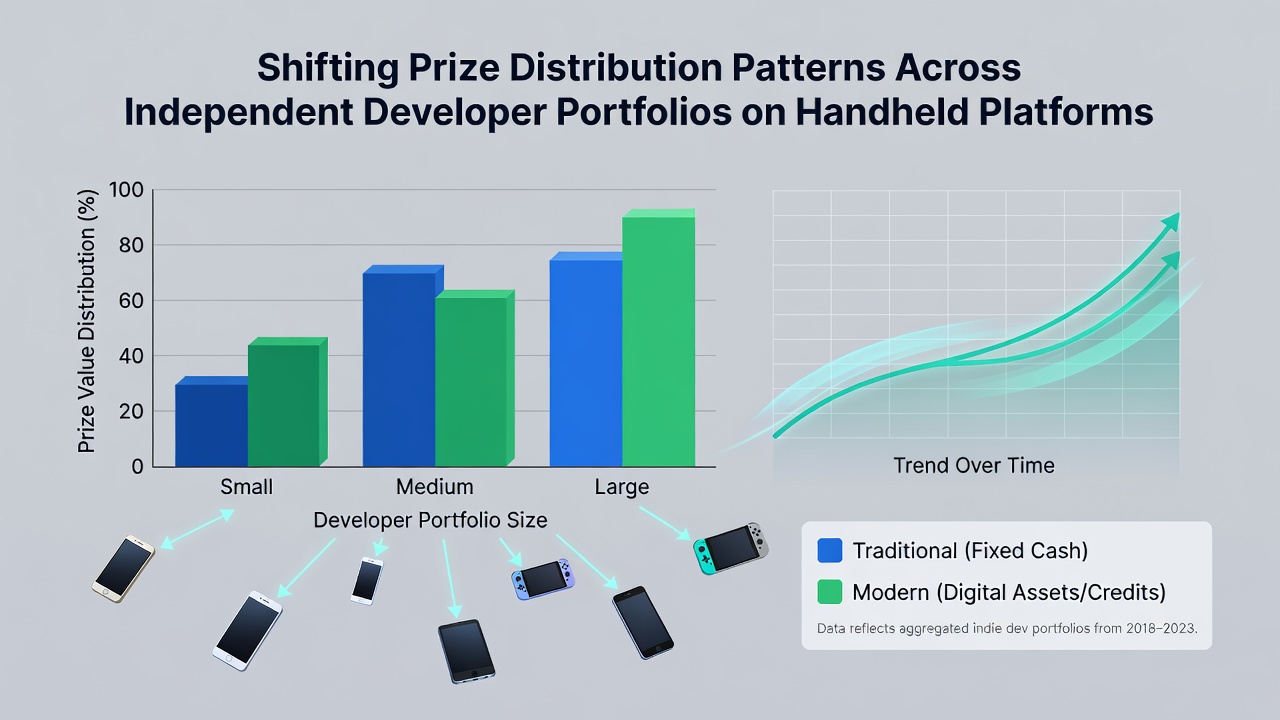
Market reports compiled in North America and parts of Asia document measurable differences in how prizes reach players on handheld devices, with independent portfolios in those regions displaying higher percentages of fixed-value rewards compared to earlier periods. According to analyses released by the Federal Trade Commission, consumer complaint patterns around reward transparency prompted several studios to publish clearer distribution tables for in-game items, and similar adjustments occurred among developers responding to classification guidelines issued by Australian authorities. Those who've examined portfolio releases note that European studios adopted comparable practices at a slightly slower pace, yet the overall movement toward standardized prize tiers appears consistent across jurisdictions.
Impact of Platform Policies on Distribution Methods
Handheld platform holders updated their storefront policies in 2024 and 2025, requiring greater disclosure of reward probabilities, and independent developers adjusted portfolio strategies accordingly by expanding direct-purchase options alongside existing progression tracks. Data collected from app store listings shows an increase in the number of titles offering both earned and purchased prize pathways within the same game, while cross-title reward exchanges became more common among studios releasing three or more handheld projects annually. Observers tracking these shifts point to changes in developer documentation and patch notes that detail revised prize tables, reflecting responses to both policy updates and player retention metrics.
Examples from Specific Developer Approaches
One studio released a series of puzzle and action titles between 2023 and 2026 where prize allocation moved from randomized chests to milestone-based unlocks, resulting in published reports of steadier player progression across the portfolio. Another group of developers introduced shared prize pools that allow accumulation of value across separate handheld releases, and tracking services recorded corresponding increases in average session length for those connected ecosystems. Researchers examining these cases found that such portfolio-level coordination often correlates with updates to backend analytics systems designed to balance reward frequency against monetization goals.
Measurement and Reporting Changes
Independent developers have begun publishing more detailed prize distribution statistics alongside game updates, and several have aligned these disclosures with standards promoted by international research groups focused on digital entertainment. In June 2026, aggregated data sets from multiple handheld marketplaces indicated that portfolios emphasizing transparent reward structures maintained comparable revenue figures to those using older random systems, while experiencing shifts in player demographic composition. Those reviewing the numbers note that handheld-specific constraints such as smaller screen interfaces and touch input limitations influenced how prize interfaces were redesigned to present clearer allocation information.
Conclusion
The documented adjustments in prize distribution across independent developer portfolios on handheld platforms reflect responses to policy changes, platform requirements, and retention data collected through 2026. Continued monitoring of release patterns and regulatory developments will likely reveal further refinements in how rewards are structured and communicated within these game collections.