Shifts in Reward Structures Within Independent Developer Collections for Smartphone Applications
Written by Ben Meier · Jul 30, 2026
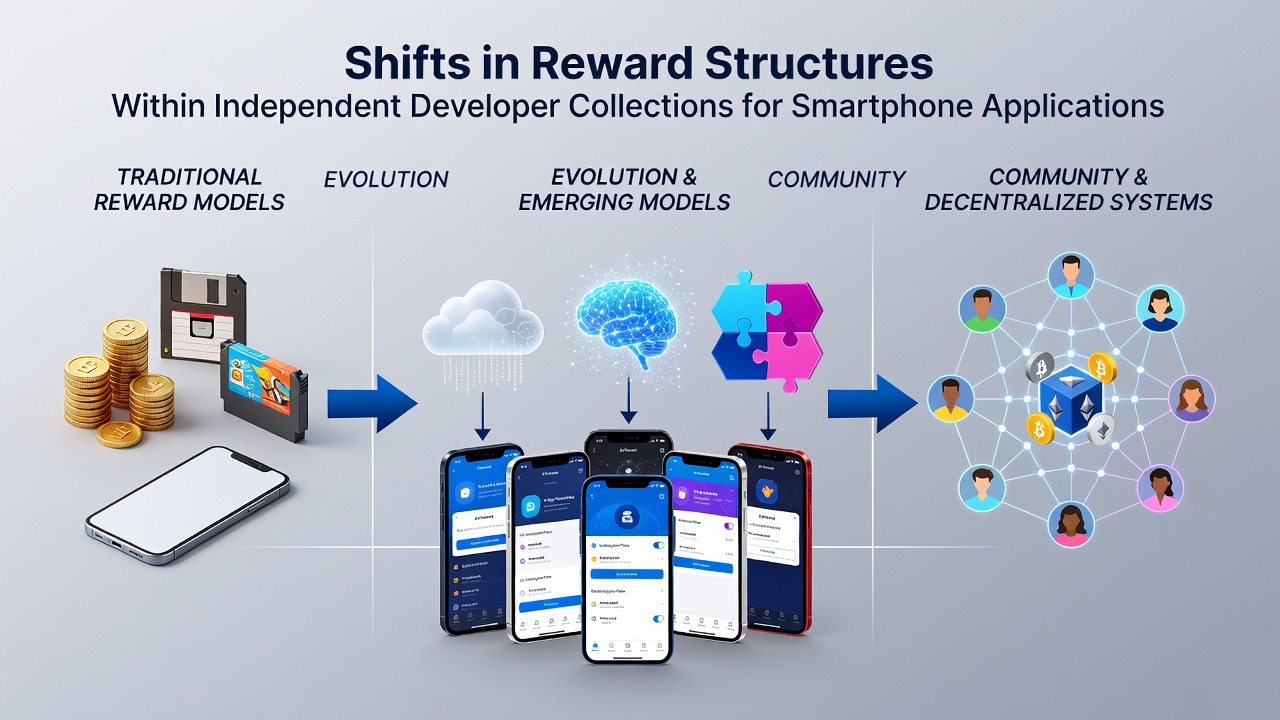
Shifts in Reward Structures Within Independent Developer Collections for Smartphone Applications
Independent developers managing collections of smartphone applications have witnessed measurable changes in how revenue flows from app stores and payment processors since the early 2020s, with data from regulatory filings and platform reports showing adjustments in commission rates alongside new monetization pathways that alter traditional payout timelines and percentages.
Apple's App Store and Google Play previously maintained consistent 30 percent commissions on most digital transactions, yet policy updates tied to legislative pressures in multiple jurisdictions produced tiered structures where smaller developers or those meeting specific revenue thresholds gained access to reduced rates of 15 percent or lower on subscriptions after the first year, according to public developer program documentation released through 2025.
Platform Policy Adjustments and Their Reach
European Union enforcement of the Digital Markets Act prompted both major platforms to introduce alternative billing options for users in that region, allowing developers to route payments outside the standard in-app purchase systems while still remitting a reduced commission to the store; figures released by the European Commission in mid-2025 indicated that participating developers in the EU saw average commission savings ranging from 5 to 10 percentage points depending on transaction volume and app category.
Similar movements appeared in other markets, with South Korea's Fair Trade Commission requiring separate payment system accommodations and Australia's competition authority examining comparable arrangements, each generating distinct reporting requirements that independent studios must track when compiling earnings across multiple storefronts.
Monetization Model Transitions Across Portfolios
Collections built around one-time purchase pricing have increasingly incorporated subscription layers and advertising integrations, with data from Sensor Tower and App Annie reports compiled through 2025 demonstrating that hybrid models now account for over 60 percent of revenue among developers releasing three or more titles annually on iOS and Android combined.
These layered approaches shift reward timing because recurring subscription income arrives monthly rather than at the point of initial download, and ad revenue depends on user engagement metrics that fluctuate with seasonal usage patterns, creating cash flow variability that larger studios absorb more readily than smaller operations.
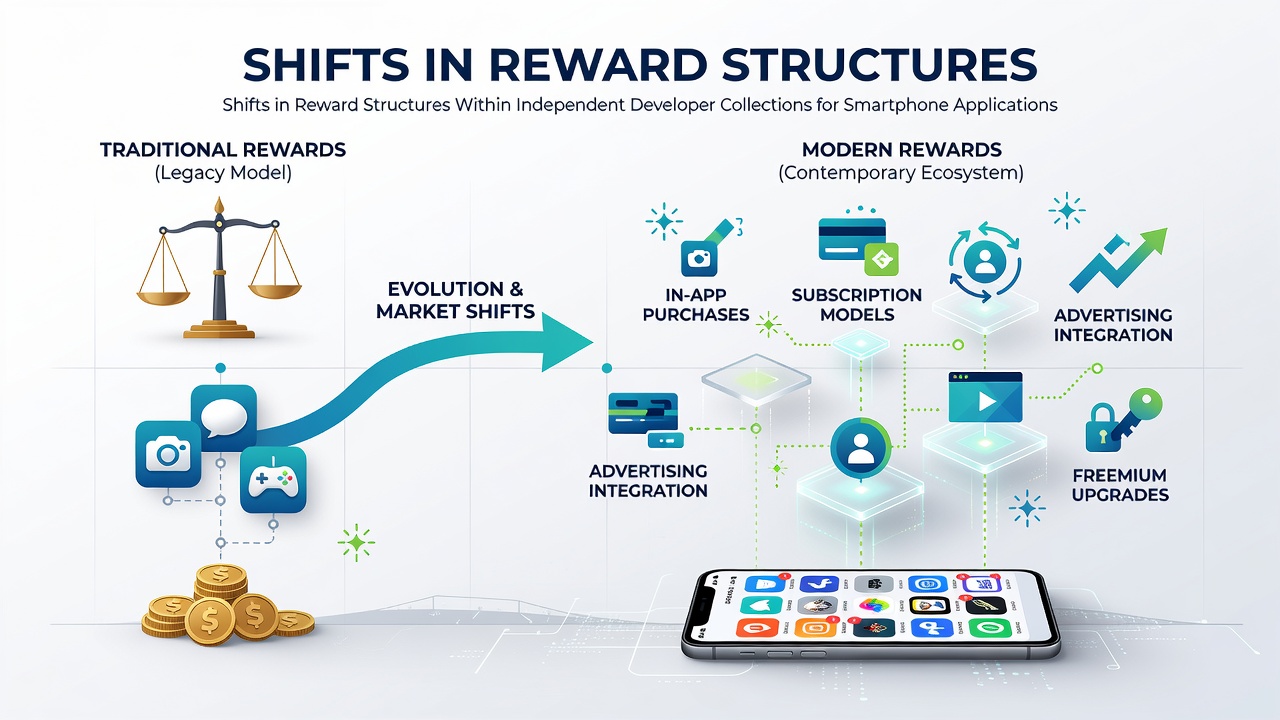
One collection focused on productivity tools expanded its offerings by adding cross-app premium tiers that unlocked features across multiple titles, a structure that centralized user accounts and increased average revenue per paying user by consolidating payments into fewer but higher-value transactions, according to internal metrics shared in industry conference presentations during 2025.
Data Patterns Observed in July 2026 Reporting Cycles
By July 2026, aggregated figures from developer surveys conducted by the International Game Developers Association and parallel non-gaming app associations showed that 42 percent of independent studios with portfolios exceeding five applications had adopted at least one alternative payment integration in regions where regulations permitted, while 28 percent reported reallocating resources toward subscription-focused updates to stabilize income streams.
These adjustments coincided with expanded use of regional storefronts in markets such as China and Brazil, where local payment gateways sometimes delivered higher net payouts after currency conversion and tax withholdings, prompting developers to maintain separate analytics dashboards for each distribution channel.
Operational Adjustments in Multi-App Collections
Developers maintaining several titles simultaneously encounter added complexity when reward structures differ by platform and region, since each application may qualify for distinct commission tiers or must comply with separate billing mandates, requiring updated accounting protocols that integrate data from multiple sources into unified reports.
Academic analysis from a 2025 working paper issued by the University of Melbourne's Centre for Media and Communications Law examined how these fragmented systems affect smaller teams, noting increased administrative overhead yet also opportunities for diversified revenue that buffer against single-platform policy changes.
Conclusion
Independent developer collections for smartphone applications continue to adapt reward structures in response to evolving platform policies, regional regulations, and shifting user preferences for subscription and hybrid monetization, with measurable impacts on revenue timing, commission percentages, and operational requirements documented through mid-2026 across multiple markets and data sources.