Tracing Synchronization Methods Between Visual Effects and Payout Algorithms Across Regional Casino Tech Developers
Written by Bianca Schmitz · Aug 15, 2026
Tracing Synchronization Methods Between Visual Effects and Payout Algorithms Across Regional Casino Tech Developers
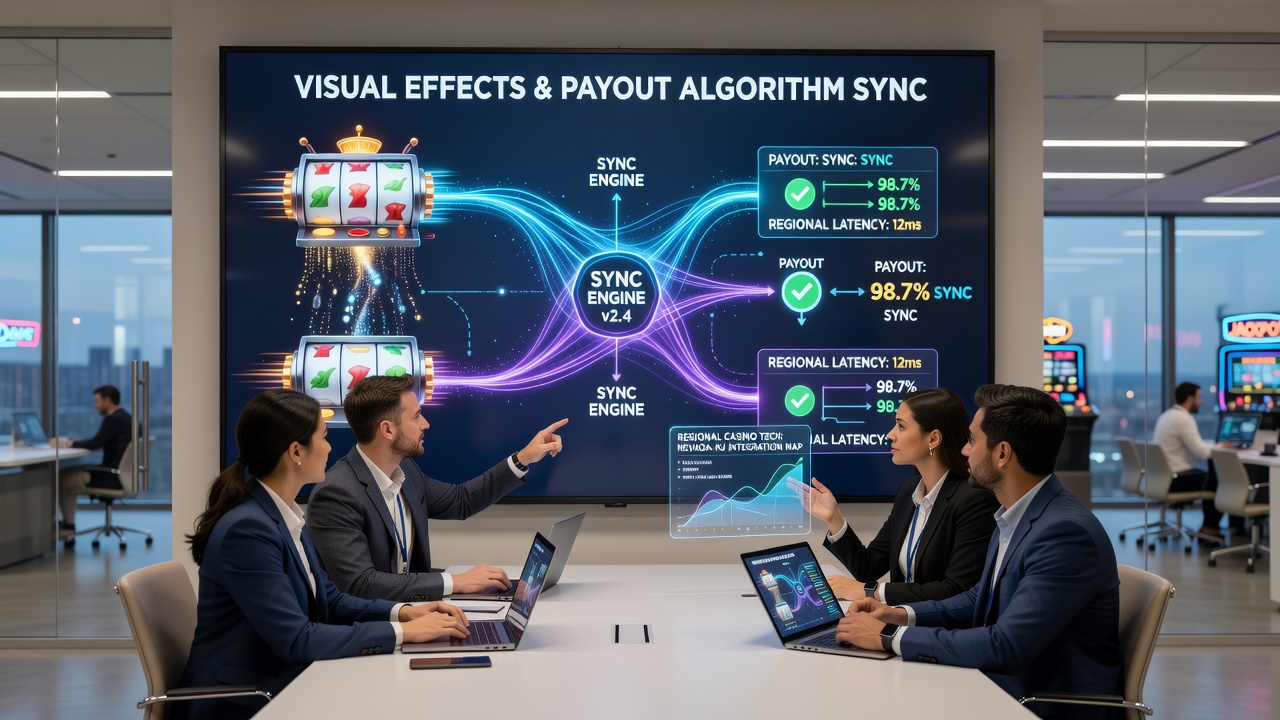
Regional casino technology developers have refined synchronization techniques that align visual effects with payout algorithms to maintain precise timing and regulatory compliance across platforms, and these methods continue to evolve as hardware capabilities expand. Experts in the field note that core processes rely on integrated timing engines which coordinate frame rendering sequences with random number generator outputs, ensuring that animations trigger only after algorithm calculations complete their verification steps.
Core Synchronization Techniques in Use
Developers employ layered protocol stacks that connect front-end rendering pipelines directly to backend payout computation modules, while middleware layers handle latency compensation and frame buffering to prevent desynchronization during high-volume transaction periods. According to industry reports from the Nevada Gaming Control Board, these systems often incorporate timestamped event queues that log every visual trigger alongside its corresponding algorithmic result for audit trails that span multiple jurisdictions.
Research indicates that event-driven architectures allow real-time adjustments when network conditions fluctuate, yet the fundamental approach remains consistent: payout algorithms finalize their determinations before any associated particle effects, reel spins, or multiplier displays activate on screen. Those who have examined codebases from various firms observe that synchronization frequently uses dedicated APIs which pass validated payout values into animation controllers, creating a one-way data flow that reduces the risk of premature visual feedback.
Regional Differences Among Developers
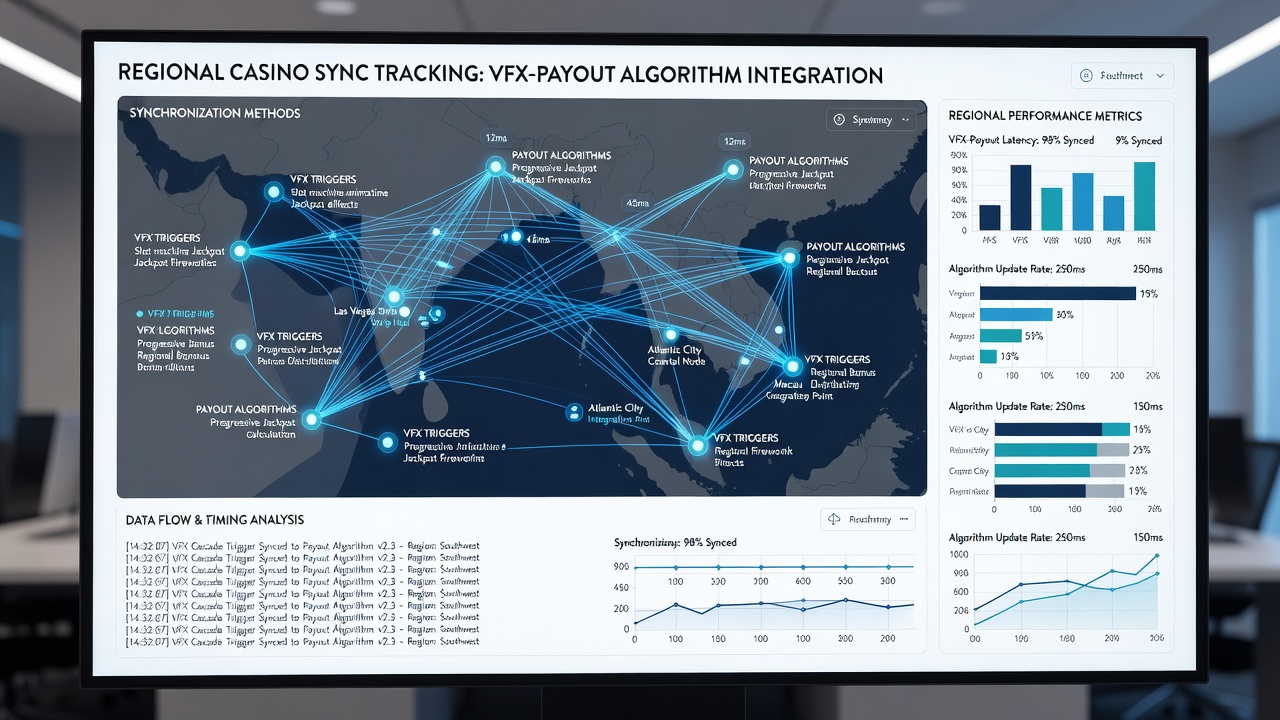
North American developers tend to emphasize hardware-accelerated synchronization that leverages local processing units in casino terminals, whereas teams in Asia Pacific regions integrate cloud-based validation layers that distribute computational loads across distributed servers before visual sequences begin. European developers, by contrast, often incorporate additional checksum routines mandated by local testing laboratories, which insert brief verification pauses that must still align with sub-100-millisecond animation start times.
Data from regulatory filings shows these variations produce measurable differences in how quickly visual effects respond to payout triggers, although all compliant systems maintain strict separation between the algorithmic decision and the displayed outcome. Observers note that firms operating across multiple regions maintain modular codebases that swap synchronization modules depending on the target market, allowing a single core engine to adapt without full rewrites.
Implementation Patterns Observed in 2026
By August 2026, several developers had documented updates to their synchronization frameworks that incorporated machine learning models for predicting optimal frame timing based on historical transaction data, and these enhancements appeared primarily in systems deployed to high-density gaming floors. Studies from the Australian Gambling Research Centre highlight how such predictive layers reduce perceived lag without altering the underlying payout probabilities, because the models operate strictly after algorithm completion.
Take one development team that integrated GPU-accelerated timestamping across its Asian and North American product lines; the approach allowed consistent visual delivery even when client devices varied widely in processing power. Researchers discovered that cross-regional testing revealed subtle discrepancies in floating-point precision that could affect synchronization margins, prompting the addition of standardized decimal handling routines in shared libraries.
Technical Challenges and Solutions
Network variability remains a persistent factor that synchronization methods must accommodate, and developers address this through predictive buffering that pre-loads animation assets once a payout value receives confirmation. Industry organizations such as the Gaming Standards Association have published guidelines that encourage the use of unified event schemas, which help different regional teams maintain compatibility when exchanging synchronization code modules.
Those who've studied deployment logs find that error recovery procedures often involve rolling back both the visual state and the payout record simultaneously, preserving audit integrity while restoring player sessions without visible disruption. The reality is that these rollback mechanisms require tight coupling between the visual engine and the payout database, yet the coupling occurs only at the logging level rather than during live calculation.
Conclusion
Regional variations in synchronization methods reflect differing regulatory environments and hardware landscapes, yet the underlying principle of completing algorithmic verification before visual activation stays consistent across all documented implementations. Continued refinement of timing protocols and cross-platform testing practices supports ongoing alignment between visual effects and payout systems as casino technology advances.