Uncovering distinctive patterns in game portfolio construction by independent casino software developers for handheld platforms
Written by Ben Meier · Aug 22, 2026
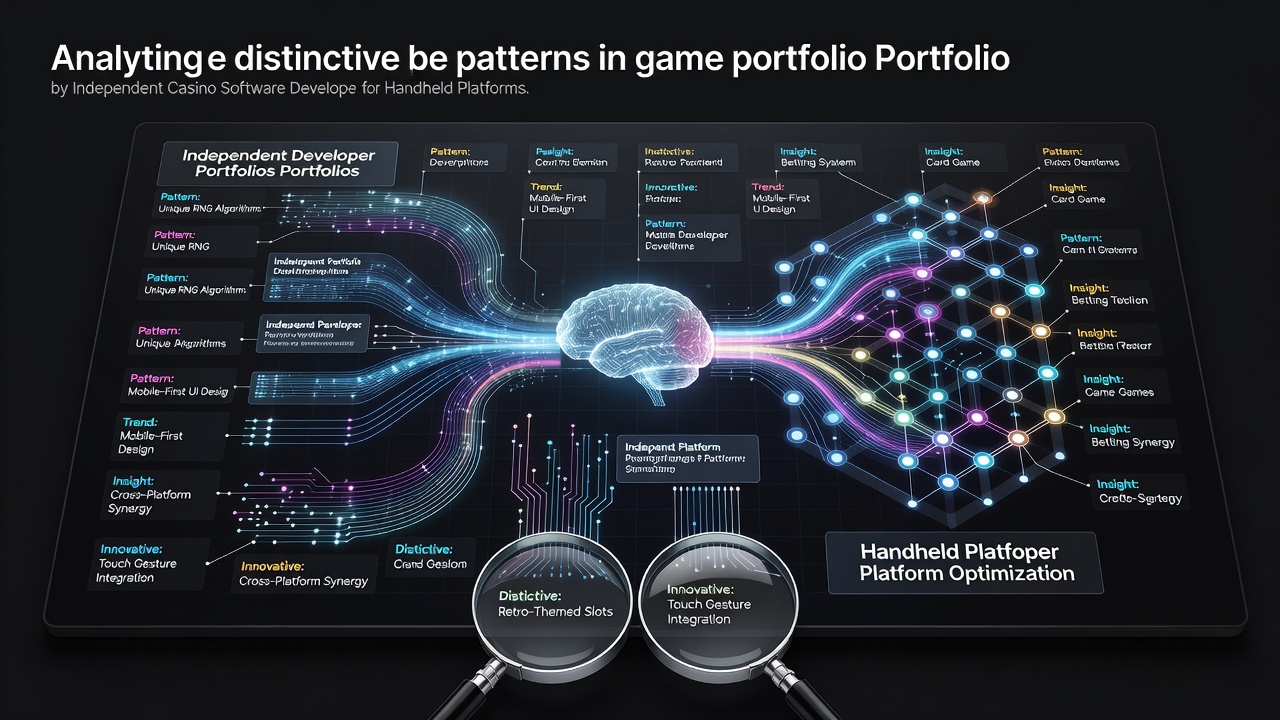
Uncovering distinctive patterns in game portfolio construction by independent casino software developers for handheld platforms
Independent casino software developers have shown consistent approaches when assembling game portfolios aimed at handheld platforms, with data indicating clear preferences for certain mechanics and session lengths that align with mobile user behavior. Observers note that these studios often prioritize touch-friendly interfaces and shorter play cycles, which data from industry reports shows can increase engagement rates on smartphones and tablets compared to desktop-focused titles.
Core construction strategies observed across portfolios
Studies tracking independent developers reveal a tendency to balance high-volatility titles with more frequent low-stake options, creating layered selections that support both quick sessions and extended play. This pattern emerges because mobile users frequently switch between games within single sittings, and portfolio data indicates developers respond by including modular bonus features that adapt to portrait and landscape orientations without requiring additional downloads. Research from the American Gaming Association highlights how these choices appear in release schedules throughout 2025 and into August 2026, where multiple studios expanded their mobile lines with games emphasizing seamless cross-device progression.
Another recurring element involves selective integration of narrative elements that unfold across multiple short interactions rather than long continuous play. Those tracking portfolio releases find independent developers favor themes drawn from everyday mobile entertainment formats, such as casual puzzle integrations or collectible systems, which figures from European gaming associations link to higher retention metrics on handheld devices. Developers achieve this by allocating development resources toward reusable asset libraries that reduce production timelines while maintaining visual consistency across titles.
Mobile platform adaptations and distribution trends
Portfolio analysis shows independent studios allocate a larger share of new releases to games optimized for intermittent connectivity and smaller screen real estate. Data indicates these choices manifest in simplified control schemes and progressive elements that advance through accumulated micro-sessions rather than single long runs. In August 2026 reports, analysts documented a measurable uptick in such constructions among studios based outside major console markets, where handheld revenue streams represent growing portions of total output.
Distribution patterns further illustrate that independent developers often sequence portfolio launches to coincide with platform updates from major operating systems. Observers tracking release calendars note clusters of titles appearing shortly after iOS and Android version drops, allowing quick incorporation of new gesture controls or notification features. This timing strategy appears tied to regulatory environments in regions such as Australia and Canada, where compliance documentation requires evidence of responsible design features suited to mobile contexts.
Resource allocation and scaling patterns
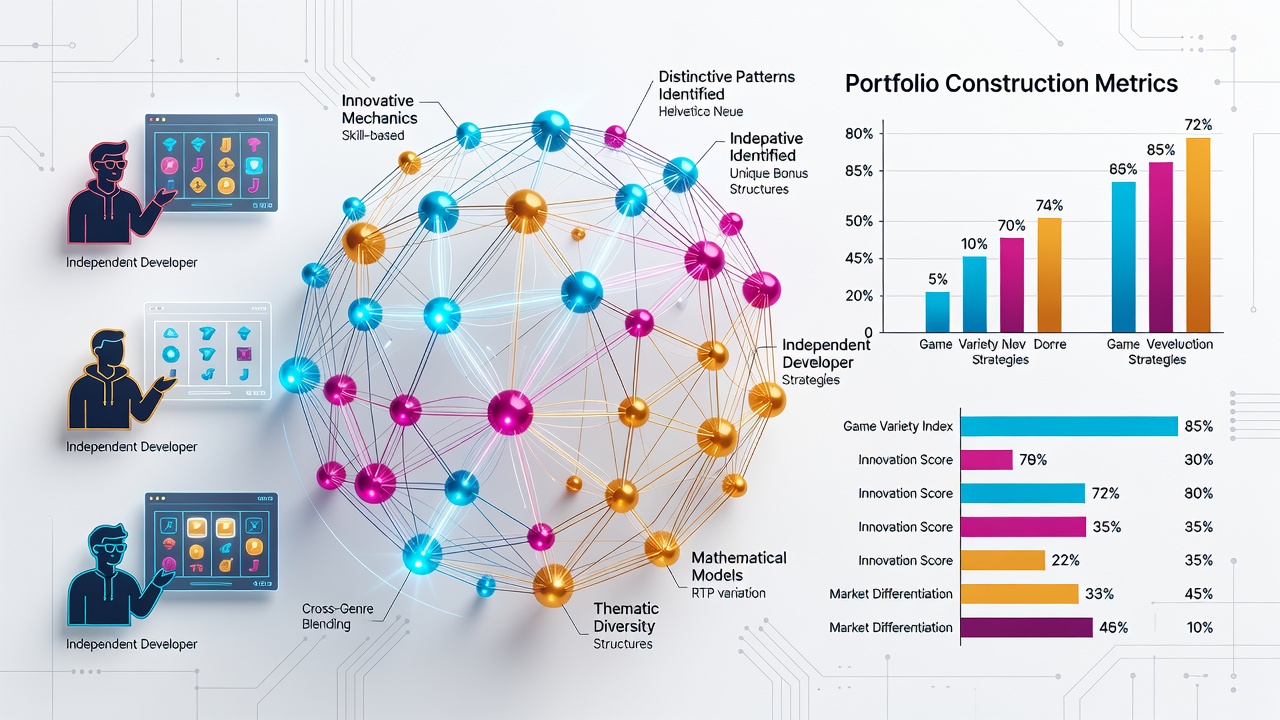
Evidence from development pipelines demonstrates that independent teams frequently dedicate 60 to 70 percent of their annual output to handheld-exclusive or handheld-first projects. This allocation shows up in public filings and partnership announcements, where studios cite reduced hardware requirements and broader geographic reach as key factors. Those examining multi-year trends find a shift away from uniform desktop-mobile parity toward deliberate differentiation, with handheld portfolios featuring distinct volatility curves and reward pacing calibrated for on-the-go use.
Case examples tracked by research institutions include studios that introduced tiered portfolio structures separating experimental mechanics into limited mobile test releases before wider rollout. Such patterns allow data collection on touch interaction rates and session completion, which then informs subsequent constructions. Reports from Canadian regulatory bodies note similar scaling approaches among smaller developers seeking market entry through provincial licensing frameworks.
Conclusion
Patterns in game portfolio construction by independent casino software developers for handheld platforms continue to reflect measurable responses to user behavior data and platform constraints. These approaches show up consistently across release records and industry metrics through 2026, with emphasis on adaptable mechanics, session flexibility, and regional compliance alignment. Further documentation from regulatory and research sources will likely clarify how these constructions evolve alongside ongoing handheld technology changes.